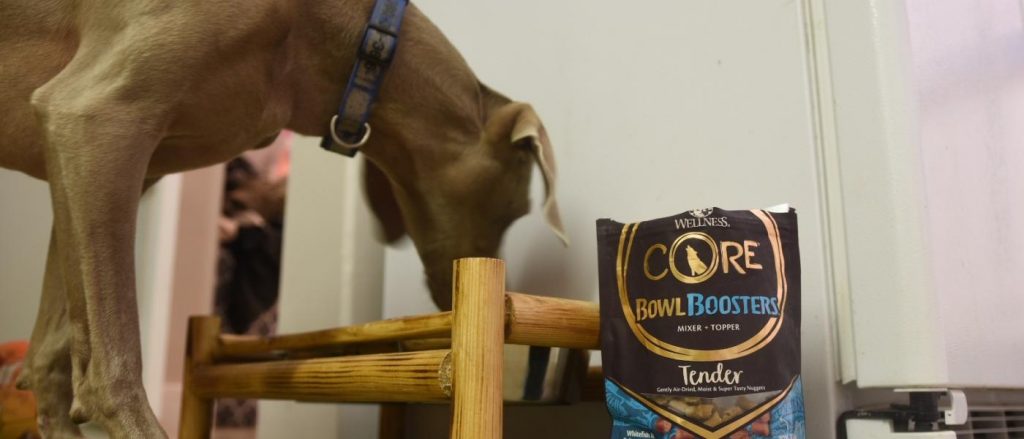
We don’t have a lot of extra room in our tiny home, but one thing we made sure to include is a space for Koda to play.All of his toys and bed get their own little corner. This gives Koda his own space to do whatever he wants and helps him feel not so cooped up! We also make sure to let him out for lots of breaks to run around in the yard and get out his zoomies!
Koda and I have spent the last three years moving around the country in search of our next adventure. Koda has lived in four homes across three states! Like most millennials, I’ve lived in mostly apartments and have had to adjust to living in a small space with a dog. Since moving back to Washington, we’ve found ourselves out exploring more than ever! Always on the move, we have seriously downsized our belongings and living quarters – we now live in a tiny house! Living in a small studio-style home with a big dog like Koda can seem intimidating, and has definitely taken some adjusting, but we’re figuring out how to live in a tiny home with a big dog.
Not only is Koda big, but he also is full of energy. My biggest tip for living with a big dog in a small space is prioritizing getting out and exploring every opportunity you get!
Taking Koda out into the mountains or to the beach on the weekends allows him to stretch his legs, get some exercise, and (most importantly) wear himself out!
On days we can’t get out to explore, we try to take Koda out to run quick errands with us. Whether it be running to the grocery store, going to pick up some dinner, or stopping into the pet store for a surprise, we try to get Koda out of the house as often as we can so he doesn’t get stir crazy!
Even with all of the adjustments he’s had to make, Koda loves our tiny home.
His constant need to keep a watchful eye on us at all times is easily fulfilled. Although he can’t climb up the ladder and sleep in the loft with us, he knows exactly where we are and is never too far away.Tiny home life can be difficult, especially when you throw a dog into the mix, but with some minor adjustments and prioritizing getting your dog outside to exercise, it can be the best experience and allow you to spend every moment with your best friend!
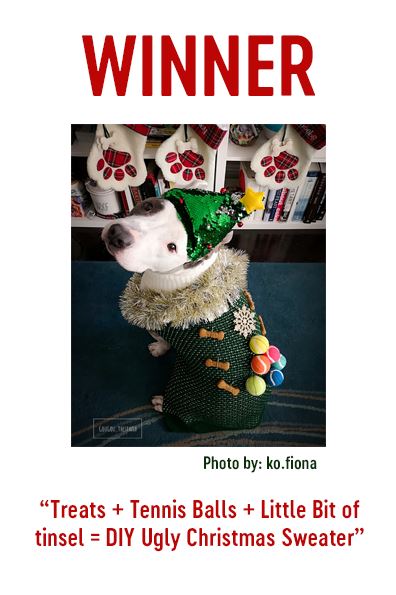
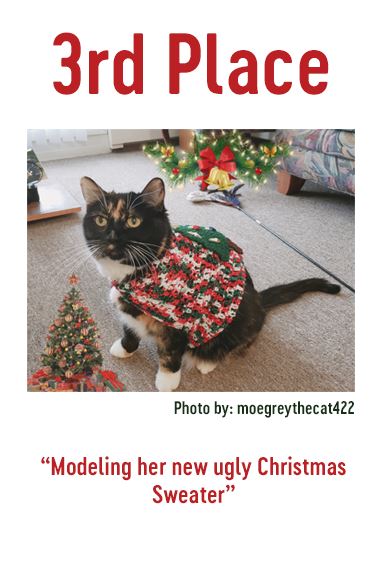
With over 250 entries in our Ugly Sweater Photo Contest we are happy to announce our winners! First place takes home ONE YEAR worth of Wellness Pet Food. Runner-ups will receive a special Wellness treat pack! Read below to check out the winning photos!
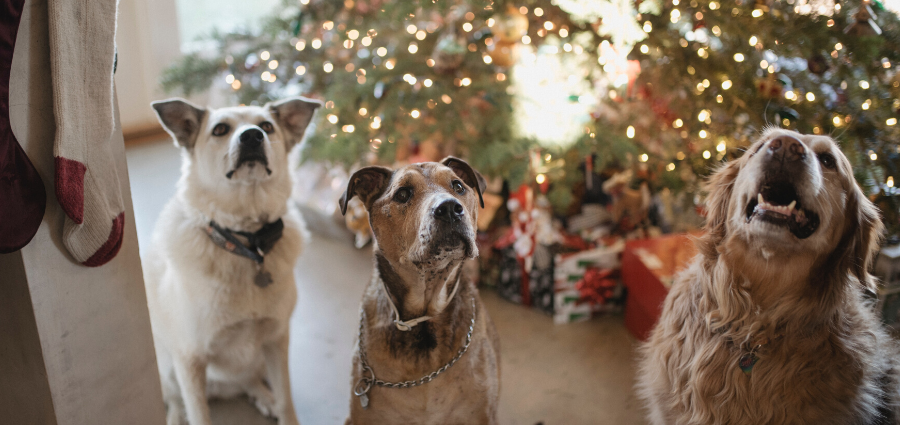
For most people, their beloved cats and dogs are more than just pets – they’re family. If you have a four-legged furry family member who you’d like to pamper a bit this holiday season, read below for some stocking stuffer ideas to include your pets in your holiday celebrations.
Top 10 Stocking Stuffer Ideas
1. Dog Toys.
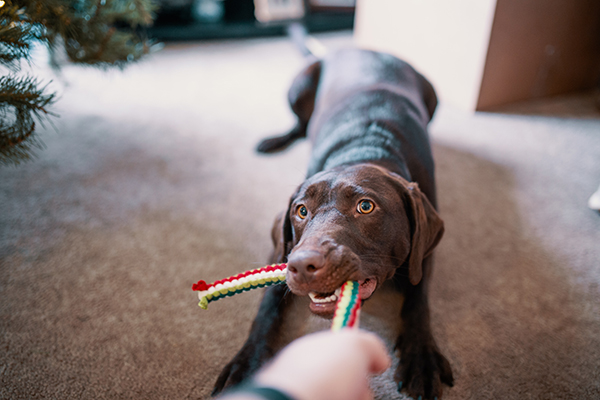
Kids aren’t the only ones who would be excited to receive new toys for Christmas! Get your dog a new squeaky ball, frisbee or chew toy so they too can enjoy a new toy on Christmas morning. Pet stores always have fun holiday-themed toys if you’d like to keep playtime festive.
2. Cat Toys.
Just like dogs, cats will enjoy seeing a new toy that Santa left in their stocking! Maybe buy your feline friend a new teaser toy, crinkle mouse or jingle ball. If you want to give your cat a bit of a fun challenge, buy a challenge toy – perfect for stuffing with a Wellness Holiday Treat!
3. Leash or Collar.
Give your animal a new look with a different leash or collar to wear! Look for fun holiday designs so they too can get spruced up and fancy for the holidays along with the rest of the family.
4. Catnip.
Give your kitty the gift that makes cats go crazy – literally. Let your cat go wild and get into the holiday spirit with a new toy or ball filled with catnip. Look for refillable toys so you can keep the catnip fresh.
5. Clothes.
Is your furry friend a fashionista? Does your pet get cold or have to wear clothes for other reasons? Do you just think it’s cute to dress them up? Stuff their stocking with a new outfit! Look for fun holiday attire online and in pet stores – just make sure to snap a quick pic of the new outfit before your pet scampers off in her new duds.
6. Grooming Supplies.
Show your puppy or kitten some love with some new grooming supplies to help keep them looking and feeling their best! Maybe your dog could use a new brush to keep his coat looking shiny. Your cat could use some new nail clippers to keep those claws at bay! Shampoo, cleansing wipes and ear cleaner are also great ideas! Your pets will love getting pampered, and you’ll love keeping them clean and healthy.
7. Food & Water Dishes.
We all know how much pets love to eat. Why not buy them a new bowl or dish for them to enjoy their grub and drink out of? Pour the bowl full of yummy Wellness Pet Food, and watch your pet chow down and drink out of shiny new bowls and dishes.
8. Blanket.
If an animal’s first love is food, sleep is a close second. Cats and dogs alike would love a new blanket to relax on or roll around with. Look for soft, comforting textures to keep your fur baby comfy and relaxed while they drift off to pet dreamland.
9. Heating Pad.
Animals love to find a place in front of the window to soak up some sun. Don’t let them miss out on that comforting warmth just because the days are shorter. The holidays come with cooler temperatures and less sunlight – give your four-legged friend his or her very own warm spot! Cats and dogs will love cozying up to a warm heating pad during the coldest days of the year! Make sure to choose a pet-safe heating pad.
10. Holiday Themed Treats.
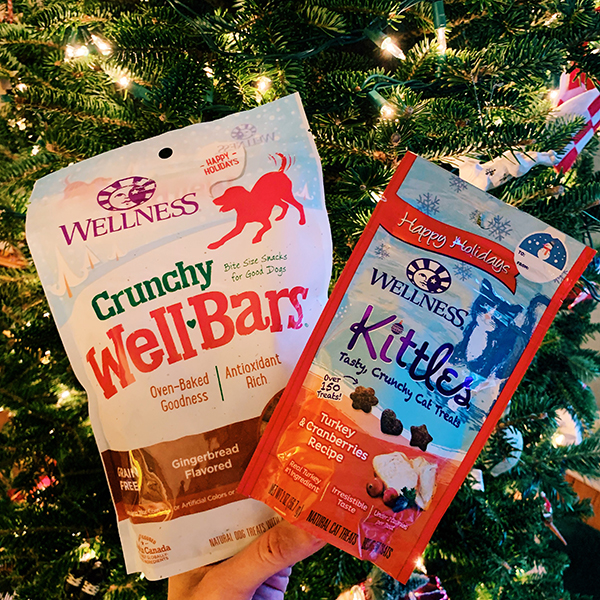
Show your pup or kitty some extra love this Christmas in the form of special holiday treats. We all love to indulge in seasonal favorites during the holiday season, so why should your pets be any different? With fun flavors such as gingerbread for dogs and turkey and cranberries for cats, your pet will love this special treat, and you’ll love knowing that your pet is getting the very best with Wellness Pet Food.
Remember to include your cat or dog in the Christmas celebrations this year! If you’re hanging a stocking for your pet by the chimney with care this holiday season, make sure to fill it with wholesome goodies from Wellness Pet Food. Made with natural ingredients and crafted with your pet’s wellbeing at heart, our treats are the hit of every howliday gathering.
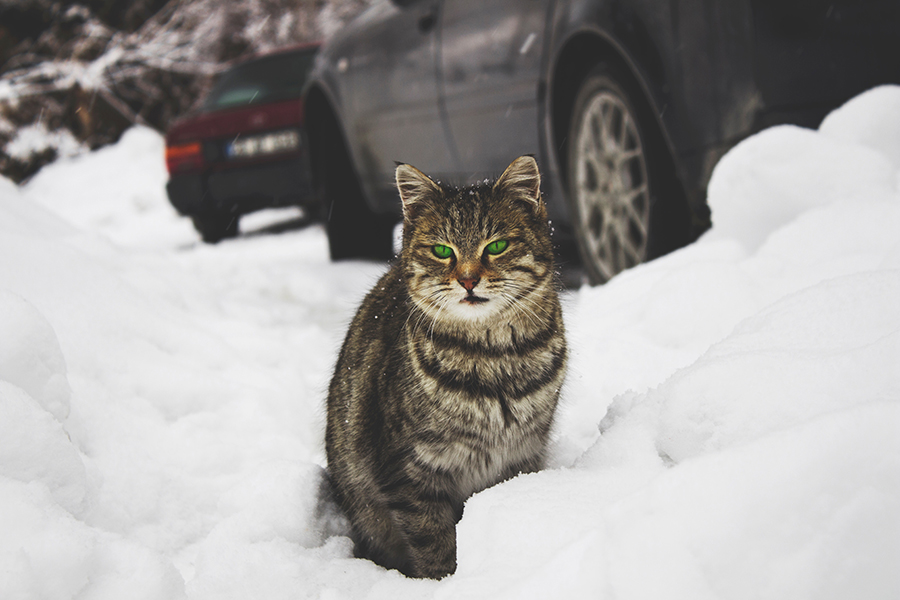
As we approach the winter season, the days will get shorter and the temperatures will get colder. Cats might be resourceful, but they still need shelter when the temperatures drop. When the temperatures get really cold, cats can suffer from frostbite or hypothermia. Their fur coats sometimes simply aren’t enough to keep them warm.
Outdoor Shelters for Community or Stray Cats
Building an outdoor cat house for kitties can keep your feline friends safe and warm during the coldest part of the year. You might want to build an outdoor cat house for your indoor/outdoor cat when she chooses to leave your home.
What about the stray and feral cats that hang out around your house? It’s important for cat parents to take care of the animals in their community. While your cat can stay warm and snug inside your home, community cats may not have a place to escape the harsh cold of the winter. Show the stray cats in your community some love this year by providing them with some winter cat houses to keep them warm and comfy during the winter months. Thinking of building a shelter?
Consider The 6 Tips
1. Cats need to feel secure, so make sure you place the feral cat house in a safe area away from other animals and car and foot traffic.
2. Also put the outdoor cat winter shelter in a place away from the wind – this will help keep your community cats warm and snug as the temperatures drop.
3. While you can purchase outside cat houses for winter, making your own can be very inexpensive! Many tutorials are available online that use common household items, or even items that you might throw away. Do you have an old ice chest or large plastic bin? Those can be turned into a feral cat winter shelter by cutting an entry/exit on a side wall. Fill it with some straw so kitties can warm it with their body heat. Just make sure that whatever material you use for the outside of your winter cat shelter is insulated and waterproof. For inside insulation, choose material such as straw, which repels moisture. Blankets and hay soak up moisture and are susceptible to mold.
Watch these DIY video
4. Make sure you position your winter cat house off the ground. Adding support under the outdoor cat winter shelter helps keep felines safe from rain or snow.
5. You should also make sure that the outdoor cat house is the perfect size for your community kitties. The shelter should be large – but not too big. The entrance to the warm cat house also shouldn’t be very big. You don’t want unwanted guests such as dogs or raccoons infiltrating the feral cat winter shelter and scaring off all the cats!
6. If you live in an especially cold area, you may want to make a heated cat house for winter for the stray cats in your community. You can purchase microwavable heat pads that stay warm for a couple of hours. If you have a plug-in nearby, buy some heat pads that are activated by weight, so cats can get some warmth whenever they decide to lounge in the winter cat house.
Check On Your Shelter Regularly
If you decide to make some outdoor cat houses for winter this year for your feline friends, make sure to keep the kitties in your community safe and warm during the colder months.
Check up on the house to make sure that the cats are staying dry. You can invite stray cats to the heated cat house with catnip or treats. If you choose to provide food in your cat house, you can purchase heated outdoor bowls or bowls activated by solar power. You might be the only chance for the stray cats in your community to have a comfortable place to relax from the cold.
Make sure your kitty knows she is appreciated by providing her with the best – and yummiest – food possible. Show some extra love to your cat by giving them some wholesome goodies from Wellness Pet Food. Made with natural ingredients and crafted with your pet’s well being in mind, our treats are the perfect way to show your feline that they have a special place in your heart.
How do you celebrate the holidays? Many of us come together to share time and tasty food with family and friends. The aromas of Thanksgiving feasts and delicious baked goodies fill our kitchens and warm our hearts. This holiday season, why not show your best furry friends a little extra love and include them in the feast?
The treats have adorable sayings on them, such as “U + Me,” “Love” and “BFF,” but for our recipe, we’re going to crush them up to make a drool-worthy pie crust!
Mini Pumpkin Pie Dog Treats
Prep and assembly time: Seven minutes Cook time: Eight minutes Total time: 15 minutes Yield: 24 small pies and one to 24 very happy dogs
Ingredients for the crust One bag (eight ounces) of Wellness CORE Bestie Bars, chicken and carrots recipe ½ cup oats ½ to 1 cup unsweetened applesauce
Directions Preheat oven to 350 degrees Place Wellness CORE Bestie Bars in a food processor or blender and pulse until very crumbly. Add in the oats and enough applesauce to make the mixture slightly moist. Mold the pie crust mixture into a nonstick (or lightly greased) muffin tin. (Depending on the size of the muffin tin, the recipe can make up to 24 minipies.) Bake at 350 degrees for eight minutes. Remove from the oven and allow to cool.
Ingredients for the filling Two cups canned pumpkin (This should be plain pumpkin puree, not sweetened or spiced.) ½ cup peanut butter (creamy or chunky)
Directions Mix pumpkin and peanut butter together until smooth. Scoop into cooled pie crusts with a spoon or spatula. Serve and watch Fido and his friends enjoy.
How did the dogs like them? A few lucky office dogs at the Sanctuary, who served as taste testers, sampled several treats each and gave their approval with lots of tail-wags. BriAnne also says, “I gave one to each of my dogs, and they loved them. This recipe is really quick, easy and worth every minute to have the entire family together for pumpkin pie.”
The fun didn’t end there. Next up in the Angel Village café kitchen: peanut butter cupcakes, adapted from this recipe from “the fitchen”.
Peanut Butter Pup-Cakes
Prep and assembly time: 15 minutes Cook time: 40 minutes Total time: 55 minutes Yield: 24 very cute “pupcakes” using a minimuffin tin
Ingredients for the cake base 1 cup oat flour 1/2 cup quick oats 1/4 cup agave syrup 1/4 cup peanut butter (Make sure you choose xylitol-free peanut butter.) 1/4 cup unsweetened apple sauce 1 teaspoon baking soda 1/4 teaspoon cinnamon
Directions Preheat oven to 350 degrees and lightly grease muffin tin. In a large bowl, whisk together dry ingredients. Add agave, peanut butter and apple sauce and stir until well-combined. Fill the muffin tin three-quarters full, bake 12-15 minutes and allow to cool
Ingredients for the frosting 1 cup sweet potato, boiled 1/2 cup coconut cream
Directions Peel sweet potato and chop into small cubes. In a medium pot, bring four cups of water to boil. Add chopped sweet potato. Boil 20 minutes or until very tender. Drain and allow to cool. In a medium bowl, combine sweet potato and coconut cream and beat until smooth. Once the pupcakes are cooled, top with the frosting and serve.
After pie and cupcakes, BriAnne wanted to create some more traditional dog treats. To do so, she used this recipe from damndelicious.net.
Spinach, Carrot and Zucchini Dog Treats
Prep and assembly time: 30 minutes Cook time: 18-25 minutes (Time will vary based on the size and shape of the treats, as well as how crunchy you’d like them.) Total time: 55 minutes Yield: This will depend on how thin or thick you make the cookies and the size and shape of your cookie cutter
Ingredients 1 cup pumpkin puree 1/4 cup peanut butter 2 large eggs or (if preferred) egg substitute 1/2 cup old-fashioned oats 3 cups whole wheat flour (more if needed) 1 carrot, peeled and shredded (Using a food processor to shred and chop the veggies will reduce prep time.) 1 zucchini, shredded 1 cup baby spinach, chopped
Directions Preheat oven to 350 degrees. Line a baking sheet with parchment paper or lightly grease the cookie sheet. Use an electric mixer and beat the pumpkin puree, peanut butter and eggs on medium high until well combined (one to two minutes).
Gradually add oats and 2 1/2 cups flour at low speed, beating just until incorporated. Add additional flour (1/4 cup at a time) just until the dough is no longer sticky. Add carrot, zucchini and spinach, beating just until blended.Working on a lightly floured surface, knead the dough until it comes together. Using a rolling pin, roll the dough to desired thickness. Using cookie cutters, cut out shapes and place onto the prepared baking sheet.Place into oven, bake until edges are golden brown and then allow to cool.
Find Fido (if he’s not already in the kitchen, eagerly awaiting your latest creation) and reward him for being such a faithful friend.
“We didn’t change anything about this recipe,” BriAnne says. “But it can be modified for your dog. You can use different-sized cookie cutters, depending on the size of your dog. You can make them thinner or bake them a bit longer if you want them to be crunchier. You can also bake for a shorter time if you want them to be softer — say for older dogs with dental problems. It’s kind of fun to make them more personal.”
Cats may have nine lives, and our pooches may live their life a little more quickly in dog years, but there is no softer spot in our hearts than that held by our beloved senior pets. November is all about senior pets, making it the perfect opportunity for sending some love to our older pet companions! Here are six must-know tips for caring for senior pets.
1. The Regular Checkup
From puppy- or kittenhood to senior years, the annual examination is an important part of pet health, most important in your pet’s mature years. It’s a common thought that seven of a dog’s years are comparable to one year of human life, but in fact that formula is a little more complex.
The American Veterinary Association explains that 15 human years equals the first year of a medium-sized dog’s life, the second year for a dog equals about nine years for a human, and every year after that equates to approximately five years for a dog. And because pet’s years are not the same as humans, it’s all the more important to make sure to keep the regular checkup, each and every year. Let’s put it this way; it’s like your 75-year-old grandmother not going to the doctor for five years!
2. Good Teeth, Long Life
For almost every type of animal (humans included), the condition of the teeth can be a powerful indicator of the overall condition of the body, and daily dental care and regular dental checkups can prevent the creation of problems elsewhere in the body. For dogs and cats, ignoring the teeth can cause a buildup of tartar and bacteria, bacteria that can travel through the bloodstream and cause problems in other parts of the body, including the heart, liver and kidneys.
Regular brushing with veterinarian approved toothpaste and pet-friendly toothbrush as well as annual professional cleaning can do wonders for your pet’s overall health. And when choosing toys and treats for your pets, select options made for promoting good dental health.
3. Let’s Get Physical
Science tells us that an object in motion stays in motion, and symbolically speaking, pets that keep movement in their lives will keep moving longer. As pets age, their energy can wane, but this is not the time to let them become couch potatoes. Just like humans, as pets age, metabolism and energy decline, making the body susceptible to weight gain and even obesity, as well as a score of other health problems, including diabetes and even mental health issues like depression.
Regular exercise promotes a healthier waistline and a better outlook, for both you and your pet! Plan a time daily to take your dog for a walk or play indoors with your cat. It’s important to keep moving as pets age into their senior years. This alone can add precious time to their lives!
4. You Are What You Eat
If you ate fast food cheeseburgers and French fries every day, how would your body respond? Now imagine doing that for years. In what state would your organs be? What would your waistline look like? The same can be said for your pet’s diet. If their food is full of less-than-quality ingredients and meaningless fillers, what part is it really playing in their nourishment and overall health? Choosing the right food for your pet is important their whole lives, but especially in their senior years.
Wholesome, thoughtful ingredients make all the difference, and making sure your pet is receiving those ingredients in a tasty way assures good eating habits as well! If you don’t already know what’s in your pet’s food, give the ingredient list a once-over. Then switch to something better!
5. The Better to See You With, The Better to Hear You With
Often the first signs of aging in our pets are changes to their vision and/or hearing. Many pets develop cataracts or dwindling vision loss in their later years, and many lose some if not all of their hearing. It’s important to recognize the signs of these issues and take the proper precautions to ensure your pet’s safety and comfort.
A few suggestions: • Make sure there is clear path to food and water.
• Create an environment that makes it easy for your to pet to go outside to relieve himself, or make it easy for him to alert you that he needs to go.
• Always keep your pet on a leash when outdoors; he may not hear or see dangers as they approach.
• Talk with your veterinarian about any supplements or treatments that may offer benefits for hearing or vision loss.
6. Patience is a Virtue
Senior pets require a little more love and attention than their younger counterparts, and thankfully we love them and want to make their lives safe, comfortable, healthy, and happy in their golden years. Sometimes they are going to move a little slower, or perhaps have an accident when they haven’t gone in the house since the puppy years.
These are the moments for patience and remembering our roles as caretakers. It’s up to use to make sure we are doing everything we can to provide a safe, loving environment. It’s up to use as pet owners to prepare for the challenges and meet them with kindness.
We love senior pets at Wellness Pet Food, and we’re proud to create wholesome, nourishing food that can promote longer, happier lives for dogs and cats everywhere. In fact, we offer food specifically made for senior pets. Find out more now!
WSAVA, or the World Small Animal Veterinary Association, is comprised of over 200,000 veterinarians across 113 member associations. This association advances the health and welfare of companion animals through building an educated and collaborative global community of veterinary peers. As one of its activities, WSAVA encourages its veterinarians and pet parents to be mindful of the food they feed their pets, as well have a general understanding of the company that makes their pet food by asking several questions.
The WSAVA Global Nutrition Council provides clear recommendations for selecting pet foods:
Employ a qualified nutritionist with PHD in animal nutrition
Formulated to AAFCO recommendations
Undertaken AAFCO feeding trials
Produced in USA
Strict quality controls in place
All dry recipes complete and balanced to life stage
Nutrient analysis available for recipes on website
Extensive product research undertaken
Now that you know what the necessary requirements are for a pet food brand to be considered WSAVA compliant, we’ll walk you through how each requirement is evaluated, and how Wellness Pet Food meets those requirements:
Do you employ a full-time qualified nutritionist?Who formulates your foods and what are his/her credentials? We have worked very closely with a Ph.D. Animal Nutritionist who either formulates or reviews our diets. He has spent more than 25 years formulating diets for dogs and cats and our relationship with him goes back more than fifteen years. In addition, he has published numerous peer-reviewed articles on dog and cat nutrition in scientific journals including the Journal of Nutrition and the British Journal of Nutrition.
Are your recipes formulated to AAFCO recommendations? Our diets are 100% complete and balanced and are formulated to meet the nutritional levels established by the Association of American Feed Control Officials (AAFCO) based on Nutrient Profiles, unless otherwise stated on the label.
Have your diets undertaken AAFCO feeding trials? Yes, our diets have undertaken AAFCO feeding trials.
Where are your foods produced and manufactured? Our diets are produced at a combination of our own plants and co-manufacturing partners. Our WellPet Operations plant is located in Mishawaka, IN and our Farm Fresh Kitchen plant is located is South St. Paul, MN. Based on the products, we are happy to share who makes our products and where they are located. Please call or email our dedicated Consumer Affairs Team for additional details. We are available via phone at (800) 225-0904 or via email at info@wellpet.com M-F | 8-5 ET.
Do you have strict quality controls in place? At Wellness, we are committed to the highest standards of pet food safety. Our highest priority is providing you and your animal companions with consistently safe, premium-quality natural food for dogs and cats.
Our Quality Assurance program maintains the strictest standards of food safety in the pet food business, one that exceeds Food and Drug Administration (FDA) and Association of American Feed Control Officials (AAFCO) standards for pet food. At every stage of every process, Wellness controls quality. We are known for active management of manufacturing. We develop our own unique formulas with premium ingredients through detailed sourcing and nutritional analysis. We conduct comprehensive audits of our procedures.
Our Quality Assurance program does not only encompass our manufacturing operation and final product inspections, but starts from the time we select the finest and freshest ingredients, making absolutely sure WellPet products continue to be healthy and safe for your dog or cat. We follow the same strict guidelines for pet food that are applied to food for people. We do so by requiring that each of our suppliers utilize the HACCP (Hazard Analysis Critical Control Points) program, adhering to even more stringent food safety criteria than required for pet food.
Our manufacturing partners say we are THE hardest to please – this is because, like you, we won’t compromise on your pet’s health. We are “passionately picky” and promise that “Your pet’s wellbeing is at the heart of all we do, that’s why we do whatever it takes to make the healthiest natural products for the pets that depend on us.”
Are all dry recipes complete and balanced to life stage?Yes, our diets are 100% complete and balanced and are formulated to meet the nutritional levels established by the Association of American Feed Control Officials (AAFCO).
Are Nutrient Profiles available? Yes, Nutrient Profiles are available for download on our Wellness product pages?
What is the caloric value of your food? Our kcal values are per 8.0 oz. cup (dry) or per can (wet). Kcal’s are on the majority of our labels and our product pages. If in doubt, please don’t hesitate to call or email our dedicated Consumer Affairs Team for additional details. We are available via phone at (800) 225-0904 or via email at info@wellpet.com M-F | 8-5 ET.
What kind of research has been conducted? As the results published in peer-reviewed journals? Before our diets are commercialized we ensure that they meet high standards for digestibility, starch gelatinization, stool performance, palatability and urine pH for cats diets. We have also conducted research focused on protein digestibility, blood glucose response and weight loss. None of the research was conducted with the intent of publishing, yet the intent was and is to ensure that we provide diets that perform to our high standards.
Maybe you’re the kind that creates a special bone cake for your pup’s birthday each year, or perhaps your beloved cat has her own stocking that’s hung by the chimney with care each year. No matter the holiday, there is always a reason to remember how much our canine and feline companions mean to us. We love our pets all year long, and with this handy calendar, you can find a reason to celebrate your furry friends most any day of the year!
Pet Holidays for January 2020
• Walk Your Pet Month • National Train Your Dog Month • Unchain a Dog Month • January 2: National Pet Travel Safety Day • January 2: Happy Mew Year for Cat’s Day • January 14: National Dress Up Your Pet Day • January 22: National Answer Your Cat’s Question Day • January 23: World Spay Day • January 24: Change a Pet’s Life Day • January 29: Seeing-Eye Guide Dog Anniversary
Pet Holidays for February 2020
• Pet Dental Health Month • Dog Training Education Month • National Cat Health Month • Responsible Pet Owners Month • Spay / Neuter Awareness Month (AKA Beat the Heat Month) • Pet Dental Health Month • February 7-14: Have a Heart for Chained Dogs Week • February 11–12: Westminster Kennel Club Dog Show • February 14: Pet Theft Awareness Day • February 20: Love Your Pet Day • February 22: National Walk Your Dog Day • February 23: International Dog Biscuit Appreciation Day • February 25: Spay Day USA / World Spay Day
Pet Holidays for March 2020
• Poison Prevention Awareness Month • March 3: It Pets Had Thumbs Day • March 9-13: Professional Pet Sitters Week • March 13: K-9 Veteran’s Day • March 16-22: National Poison Prevention Week • March 23: National Puppy Day; Cuddly Kitten Day • March 28: Respect Your Cat Day • March 30: Take a Walk in the Park Day
Pet Holidays for April 2020
• Heartworm Awareness Month • National Adopt a Greyhound Month • National Pet First Aid Awareness Month • Prevent Lyme Disease in Dogs Month • Prevention of Cruelty to Animals Month • April 1–7: International Pooper Scooper Week • April 1–7: National Raw Feeding Week • April 6: National Siamese Cat Day • April 6-10: National Dog Bite Prevention Week • April 8: National Dog Fighting Awareness Day • April 10: National Hug Your Dog Day • April 11: National Pet Day • April 11: Dog Therapy Appreciation Day • April 17-23: National Pet ID Week • April 18: Pet Owners Independence Day • April 21: Bulldogs Are Beautiful Day • April 23: National Lost Dog Awareness Day • April 25: International Guide Dog Day • April 26: National Kids and Pets Day • April 26: Hairball Awareness Day • April 27: World Veterinary Day • April 28: National Pet Parents Day • April 30: National Tabby Day • April 30: Adopt a Shelter Pet Day • April 30: National Therapy Animal Day
Pet Holidays for May 2020
• Chip Your Pet Month • Pet Cancer Awareness Month • National Pet Month • Responsible Animal Guardian Month • National Service Dog Eye Examination Month • Lyme Disease Prevention Month • May 1: National Purebred Dog Day • May 3: National Specially-abled Pets Day • May 3–9: National Pet Week • May 3–9: Be Kind to Animals Week • May 3: Mayday for Mutts • May 4–10: Puppy Mill Action Week • May 11: National Animal Disaster Preparedness Day • May 14: International Chihuahua Appreciation Day • May 30: International Hug Your Cat Day
Pet Holidays for June 2020
• Adopt a Cat Month (AH) / Adopt a Shelter Cat Month (ASPCA) • National Pet Preparedness Month • National Microchipping Month • June 1–7: Pet Appreciation Week • June 4: Hug Your Cat day • June 8: National Best Friends Day • June 9: World Pet Memorial Day • June 22–28: Take Your Pet to Work Week® • June 17: Take Your Cat to Work Day™ • June 19: National Garfield the Cat Day • June 26: Take Your Dog to Work Day® • June 21: Dog Party Day • June 24: Cat World Domination Day
Pet Holidays for July 2020
• Dog House Repair Month • National Lost Pet Prevention Month • National Pet Hydration Awareness Month • July 1: ID Your Pet Day • July 5: Pet Remembrance Day • July 11: All-American Pet Photo Day • July 15: National Pet Fire Safety Day • July 21: National Craft Your Local Shelters Day • July 21: No Pet Store Puppies Day • July 31: National Mutt Day
Pet Holidays for August 2020
• National Immunization Awareness Month • August 1: DOGust Universal Birthday for Shelter Dogs • August 2–8: International Assistance Dog Week • August 5: Work Like a Dog Day • August 8: International Cat Day • August 10: Spoil Your Dog Day • August 15: National Check the Chip Day • August 17: National Black Cat Appreciation Day • August 17: International Homeless Animals Day • August 22: National Take Your Cat to the Vet Day • August 26: National Dog Day • August 28: Rainbow Bridge Remembrance Day • August 30: National Holistic Pet Day
Pet Holidays for September 2020
• Happy Healthy Cat Month • Guide / Service Dogs Month • National Pet Insurance Month • Animal Pain Awareness Month • Responsible Dog Ownership Month • Pet Sitter Education Month • September 1: Ginger Cat Appreciation Day • September 13: National Pet Memorial Day • September 13: National Hug Your Hound Day • September 21–27: Adopt a Less-Adoptable Week • September 19: Puppy Mill Awareness Day • September 19: Responsible Dog Ownership Day • September 20-26: National Dog Week • September 20-26: Deaf Pet Awareness Week • September 23: Dogs in Politics Day • September 28: World Rabies Day
Pet Holidays for October 2020
• National Animal Safety and Protection Month • Adopt a Dog Month (AH) / Adopt a Shelter Dog Month (ASPCA) • National Pet Wellness Month • National Pitbull Awareness Month • October 1: National Fire Pup Day • October 1: National Black Dog Day • October 1–6: National Walk Your Dog Week • October 1-6: Animal Welfare Wek • October 4: World Animal Day • October 4: World Pets Day • October 9: Pet Obesity Awareness Day • October 16: National Feral Cat Day • October 19-23: Veterinary Technician Week • October 26: National Pit Bull Awareness Day • October 27: National Black Cat Day (UK) • October 29: National Cat Day
Pet Holidays for November 2020
• Adopt a Senior Pet Month • National Senior Pet Month • Pet Diabetes Month • Pet Cancer Awareness Month (AVMA) • November 1: National Cook for Your Pets Day • November 2-6: National Animal Shelter and Rescue Appreciation Week • November 7: National Canine Lymphoma Awareness Day • November 17: National Black Cat Day (US)
Pet Holidays for December 2020
• National Cat Lovers’ Month • December 2: National Mutt Day • December 15: National Cat Herder’s Day
We’re always looking for an excuse to celebrate our favorite pets and yours! Explore all the Wellness Pet Food treats for cats and dogs here!
Every November 15 marks America Recycles Day, the holiday created by Keep America Beautiful to celebrate recycling with education, events and activities. An annual opportunity to observe ways we can reduce our impacts and motivate others to do their part, it’s also a time to create new habits we can use to live greener every day.
What does this have to do with our pets? Protecting the planet helps our communities and families, which pets are very much a part of!
Here are some reasons to recycle for your furry family members:
1. It lightens their pawprint
Because domesticated animals are kept (by us, their humans) outside of nature’s regenerative, circular system, the food they eat and the waste they create is not readily renewed or absorbed. Knowing this, it is up to us to make better choices and actively offset our pets’ impacts to make them friendlier to the planet.
One way to lighten their pawprint is to recycle the products and packaging produced by keeping them fed and healthy. Wellness Natural Pet Food makes it easy for pet owners to recycle flexible plastics packaging for free through their network of local recycling solutions, powered by TerraCycle. Just visit the Wellness Pet Food Recycling Program page on TerraCycle.com and search your zip code on the map to find the drop-off point nearest you.
2. It can help other animals
Another positive aspect of recycling through TerraCycle’s national recycling programs is the more you recycle, the more points you can earn in exchange for a cash donation to your favorite environmental nonprofit or pet charity. These are funds you can give to an organization dedicated to rescuing shelter dogs, protecting the natural habitats of wild cats, or fighting against animal abuse.
Recycling through TerraCycle or through your municipal program also helps to save natural resources and keep materials from turning to trash, which in turn can prevent deforestation and reduce ocean pollution. Earth911 is a great resource to see how you can recycle curbside.
3. This is their home
Our pets bring us comfort, companionship and joy, but it is not only for these reasons we should protect the environment in which they eat, sleep, and play. When we don’t recycle, misplaced items can contaminate our water and food, leaching chemicals into the ground and water, imposing increased risks to humans, pets, and public health. Take care to properly manage the world’s resources to make a positive impact and inspire other pet parents to do the same.
Our pets, like all animals, are at home on earth, just as we are. Saving valuable material from becoming trash through recycling prevents pollution and the need to mine the environment for resources. We only get one planet. It is up to all of us to take care of it for future generations of people, animals, and plants, and do the work to make it a better place for living things today.
From all of us at TerraCycle: Have a PAWsome America Recycles Day!
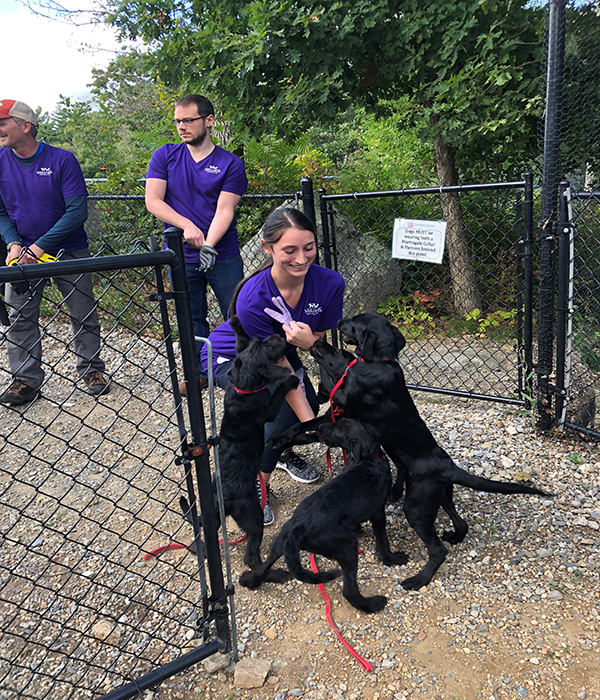
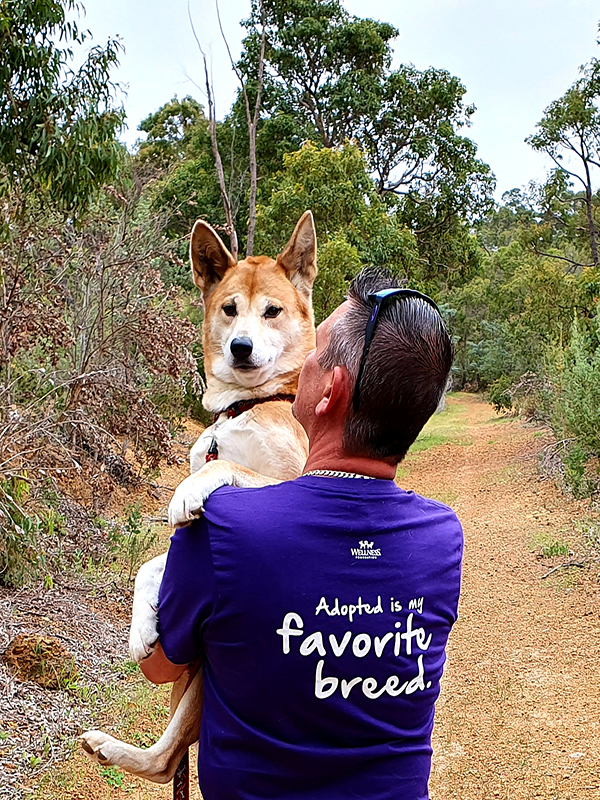
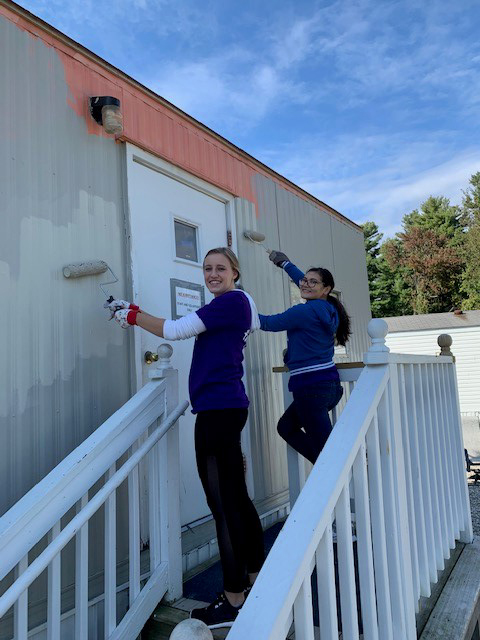
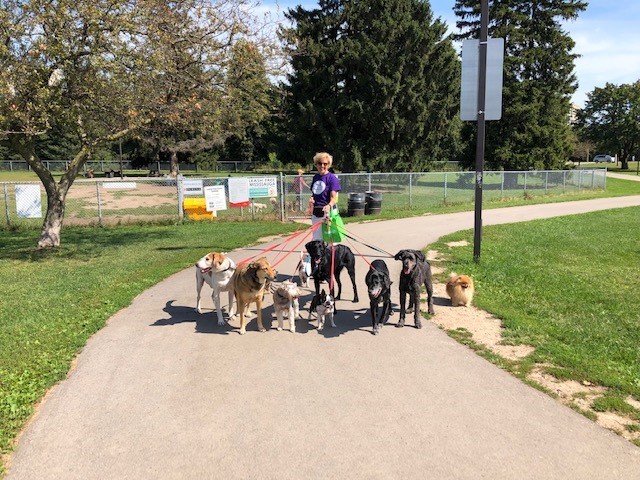
This past month the entire Wellness organization celebrated Global Service Day! Over 250 Wellies’ spent their time at local shelters and other animal rescue organizations around the world. Teams were spread out all over the U.S , Germany, Japan, Singapore, Australia and Canada.
Take a look at some of the photos!
Great Dog Rescue New England – Woburn, MA
Cape Ann Animal Aid – Gloucester, MA
West Australian Dingo Association, Australia
Salem Animal Rescue League – Salem, NH
Save My Tail, Canada
We’d like to thank all of the organizations who let us spend the day with them. If looking to adopt a new pet, check out the list below.
Lowell Humane Society, Lowell, MA
Salem Animal Rescue League, Salem, NH
Cape Ann Animal Aid, Gloucester, MA
MSPCA at Nevins Farm, Methuen, MA
Animal Rescue League of NH, Bedford, NH
Northeast Animal Shelter, Salem, MA
Paws, Wakefield, MA
Operation Delta Dog, Hollis, NH
Great Dog Rescue of NE, Woburn, MA
Albuquerque Best Friends
Best Friends LA
Burlington Humane Society
California Animal Shelter
Carver-Scott Humane Society, Minnesota
Feline Café of Ottawa
Greenville North Carolina Humane Society
Humane Society of St. Joseph County, Indiana
Hunter T Cronin Cat Room
Best Friends, Kanab Utah
PAWS, Chicago IL
Pets Alive Animal Sanctuary
Salt Lake City Best Friends
Shamroq Siberian Husky and Alaskan Malamute
Rescue of Queensland, Australia
South Bend Animal Rescue
The Society for the Prevention of Animal Cruelty, Singapore
West Australian Dingo Association, Australia
We know that every home is better with a pet, and so we are so happy to have had a chance to spend time working with a Best Friends Animal Society partner shelter that helps homeless pets find a forever home.
To learn more about our Wellness Foundation, watch a video from our CEO Camelle Kent and Join the Movement visit: https://wellnessfoundation.org/
The technical storage or access is strictly necessary for the legitimate purpose of enabling the use of a specific service explicitly requested by the subscriber or user, or for the sole purpose of carrying out the transmission of a communication over an electronic communications network.
Preferences
The technical storage or access is necessary for the legitimate purpose of storing preferences that are not requested by the subscriber or user.
Statistics
The technical storage or access that is used exclusively for statistical purposes.The technical storage or access that is used exclusively for anonymous statistical purposes. Without a subpoena, voluntary compliance on the part of your Internet Service Provider, or additional records from a third party, information stored or retrieved for this purpose alone cannot usually be used to identify you.
Marketing
The technical storage or access is required to create user profiles to send advertising, or to track the user on a website or across several websites for similar marketing purposes.