




Wellness Printing Guidelines & Troubleshooting Notes


Tips for Printing:

Follow the steps below to avoid issues when printing your coupon:
1.    Connect: Your device must be connected to a printer and turned on. At this time, coupons are not printable from mobile or tablet devices.
2.    Ink/Paper: Ensure your printer has ink and paper before you print. Coupons are intended as a one-time-use only print.
3.    Print Settings: Make sure that your printer is not set to print to an electronic format such as a PDF file or document writer.
Be sure to click the “Print Coupon” button one time only. Clicking the “Print Coupon” link more than one time may result in an error that causes your coupon not to print. Please click on the “Print Coupon” button to get your offer. You cannot use the “File-Print” option from your browser menu.
Supported Browsers and Devices: It is recommended that you have the most up-to-version of each browser and operating system before printing coupons. 
•    Recommended browser is Google Chrome. Coupons will also work with Firefox across Mac and PC. Internet Explorer will work on PC, and Safari will work for Mac computers.


Here is a comprehensive list of browsers, operating systems and devices that our coupon software supports:
o    Desktop Operating Systems

  •    Windows 7 +
  •    Apple OSX 10.10 +

o    Desktop Internet Browsers

  •    Google Chrome – v48 +
  •    FireFox – v44 +
  •    Internet Explorer (Only supported on PC) – v11 +
  •    Safari (Only Supported on Mac) – v9 +

o    Mobile Operating Systems & Browsers
    Coupons are not able to be printed from mobile devices at this time.


Common System Messages: Should you experience an error message, the descriptions below will help you identify the reason. Please note that you must arrive at the coupon from a valid brand-approved advertisement or email.
•    System Code 1001 – Expired
o    This offer is no longer available. The promotion has ended.
•    System Code 1003 – Single Use Link
o    Invalid URL. You are not registered to receive this offer.
•    System Code 1004 – Print Limit Reached
o    You have reached your print limit for this offer.
•    System Code 1005 – Geographic Location
o    This offer is not available in your area.
•    System Code 1101 – Extreme Couponer
o    Each coupon is intended to be redeemed once. You have exceeded your redemption limit on previous offers.


After You Print: Please be aware of the following:


1.    Expiration Date: Each coupon has a printed expiration date, so please check on the coupon and use it before this date.
2.    No Transfer: Our email coupons are individually barcoded to your account. As a reminder, this coupon will be void if duplicated, reproduced, altered, transferred, or sold. Other uses of this coupon constitute fraud.


If you run into any issues while printing, we’re happy to help. You can reach us at 800.225.0904, Mon-Fri, 8am-5pm ET. Thanks.
How to Prevent Pet Diabetes

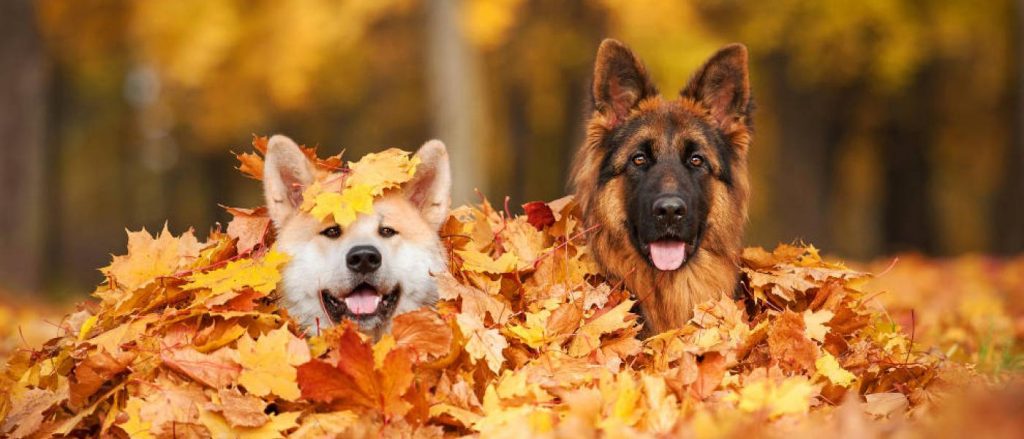
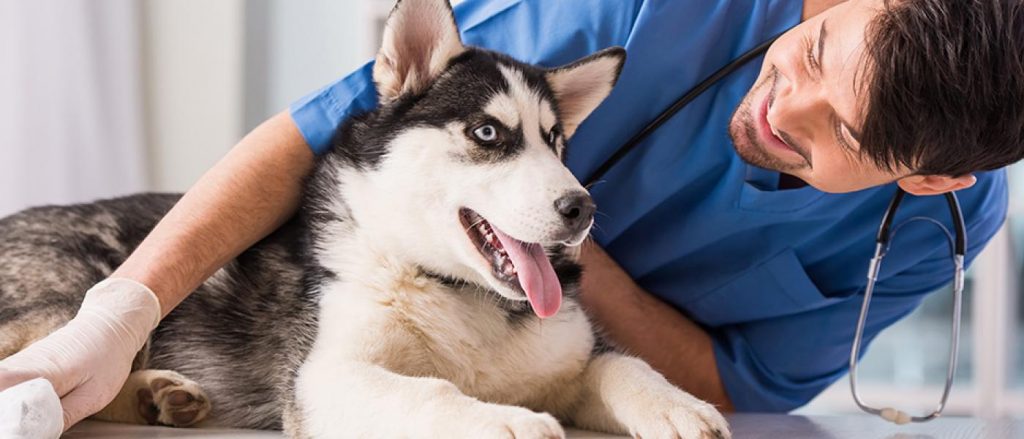
Husky dog at the vet

It’s National Pet Diabetes Month!

Diabetes isn’t just a human disease. It’s on the rise in our pets, affecting thousands of dogs and cats every year. According to Banfield Applied Research and Knowledge (BARK) diabetes more often affects cats than dogs. Diabetes typically develops in older pets, however, since diabetes is largely a lifestyle related disease, it is preventable.

Key Triggers

In both dogs and cats, diabetes is tied to obesity and age. If your pet is over 10 years old and weighs too much, he or she is at a higher risk for diabetes. To decrease this risk, you can work with your veterinarian to increase your pet’s exercise level and decrease his or her caloric intake.

Just like with people, if pets consume more calories than they exert, they will gain weight. However, not all calories are created equal. It’s best to choose higher protein foods, and many pet parents find that a grain-free pet food with natural ingredients helps prevent their pets from gaining weight. Wellness CORE recipes for cats and dogs are grain-free and provide high-quality protein sources. Because a higher-protein diet can be more nutrient dense (as well as calorie dense), you may need to speak with your vet about decreasing your pet’s portion size when you transition foods.

Some vets say that a higher protein, lower carbohydrate diet may help prevent diabetes.

What is Diabetes Anyway?

You probably know diabetes has something to do with insulin. Insulin is a hormone that processes blood sugar (glucose) so your body has energy. When your body can’t process the glucose properly, sugar builds up in the blood and urine.

This leads to an imbalance that affects the whole body, and can become very serious if untreated.

Symptoms of Diabetes in Cats and Dogs

increased thirst dog

Although cats and dogs handle diabetes differently, they can exhibit similar symptoms of the disease:

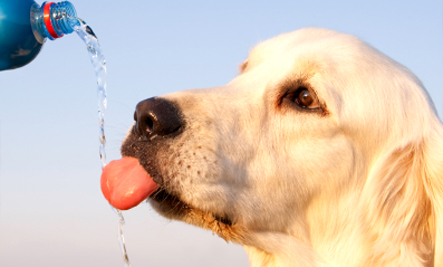
-Increased thirst/increase in water consumption

-Weight loss

-Lethargy

-Vomiting

-Change in appetite

Many of the symptoms of diabetes in pets can mimic other diseases, so if your pet exhibits any unusual behavior, it’s best to take him or her to the vet promptly.

Although a serious disease, if the vet determines that your pet has diabetes, it can be treated effectively with medication, diet & lifestyle changes.

Wholesome Thanksgiving Ingredients for Your Pets

Thanksgiving is right around the corner, and with the arrival of this beloved holiday comes thankfulness for the year behind us, the arrival of relatives to join hands around the table, the football rivalry that makes us not want to join hands around the table, the Thanksgiving Day parade that never ceases to entertain, and the cornucopia of delicious Thanksgiving foods that seem to make their grand appearance only once a year. While you are enjoying your own Day of Thanks this year, don’t forget about the four-legged members of the party who have set up camp under the dining room table, just hoping that something wonderful makes its way from your plate to their tummies. While most table foods are not recommended for your pet’s health, there are several delectable harvest foods that are not only tasty to your pet, but healthful as well!

Pumpkin
The Benefits
Pumpkin is not only an appetizing treat for your pet, but also a very healthy one to offer. A great source of fiber, pumpkin is a natural promoter of healthy digestion, which lends itself to the overall energy and vitality of your pet. Proper digestion is also a powerful aid in weight management, which can help prevent a whole host of other health problems down the road.

This colorful harvest symbol also helps with urinary health, as the natural oils in both the skin and seeds has been shown to increase urinary functionality. The seeds also promote healthy skin and coat (perfect for our pets with allergy problems!) Pumpkin is also a powerful source of Vitamin A, Beta-carotene, potassium and iron, attributing to longevity and cancer prevention.

Serving Suggestions
Fresh pumpkin is, of course, the best source for serving, but canned pumpkin also packs a hearty punch as well. It can be mixed in with dry food or given as a treat, and many pets find the flavor irresistible. Keep in mind that pumpkin can act as a laxative if too much is given, so consult with your vet about the quantity your four-legged friends can have on Thanksgiving. For a ready-made pumpkin treat your pet can’t refuse, try Old Mother Hubbard Soft Bakes with Carrots and Pumpkin, perfect for busy chefs in the kitchen or families on the go for the holidays.

Cranberry
The Benefits
The delightful red berries make their way onto many a Thanksgiving table, and luckily they can also find a place in Baxter’s bowl as well! Cranberries are rich in antioxidants and Vitamins A, B1, B2, C, and just as they do for humans, they also promote good urinary health and can aid in the prevention of urinary tract infections and bacterial growth. By lowering the pH, cranberries make urine more acidic, which makes it harder for bacteria to grow, and cranberries also have at least two known agents that work to prevent bacterial growth.

These potent berries have also been found to reduce the incidence of bladder stones in dogs, as well as the development of Idiopathic Interstitial Cystitis in cats. If your pet has a history of urinary tract infections or otherwise bothersome urinary problems, these delicious red berries and their juice can be given as a very healthy supplement.

Need another reason to serve cranberries to your beloved pets? These little magic charms also work to prevent the formation of plaque on your pet’s teeth, containing powerful flavonoids and plyphenols that help protect your pets sensitive chompers.

Serving Suggestions
Avoid giving cranberry salad or other sugary versions of this healthful food. Many stores also carry ‘cranberry juice’ that is a very sugary version of an otherwise healthy drink. To serve to dogs, offer organic cranberries as a whole fruit, or mix in organic cranberry juice with food or water. The bitter taste may ward off the more sensitive pallets, so be wary that this healthful food may be served better if mixed with food or other treats.

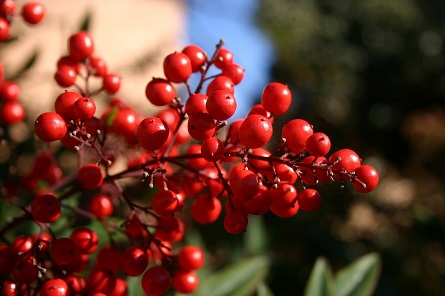
cranberry bush

Sweet Potatoes
These festive orange spuds have been a favorite of Thanksgiving-celebrators since the beginning of the holiday, and there’s no reason why your pet shouldn’t also be served a helping as well! Sweet potatoes, in plain, unseasoned form, have been recommended for pets for years to soothe a sensitive or upset stomach, or even just to offer a filling, healthy food that goes easy on those who have are ill or have recently undergone surgery.
Considered to be one of nature’s nearly perfect foods, sweet potatoes, or yams, are an excellent source of potent antioxidants that aid in healing, the prevention of cancer and easing the effects of aging. Sweet potatoes contain vitamins A, C and B6, as well as the minerals manganese, copper, and iron. They are also an excellent go-to for dietary fiber, preventing loose stools in for pets with upset stomachs.

Serving Suggestions
Sweet potatoes can be found as an ingredient in wholesome dog food or can be served whole to pets after baking. They can even be sliced thin and baked to make crispy, chip-like treats. Some of the best dog treats even combine two Thanksgiving favorites: sweet potatoes and, of course, turkey.

sweet potato

There’s no reason your pets can’t participate in the Thanksgiving festivities this year, and luckily, many of the items on your holiday shopping list can also find their place in Fido’s bowl. Be smart about ingredients, including any added sugars or flavorings, and always consult with your vet if you have any questions. Happy Thanksgiving, everyone! Take some time this year to let your pets know just how thankful for them you are.

Pet Cancer Awareness Month: How Do You Detect Cancer Early in Your Pets?

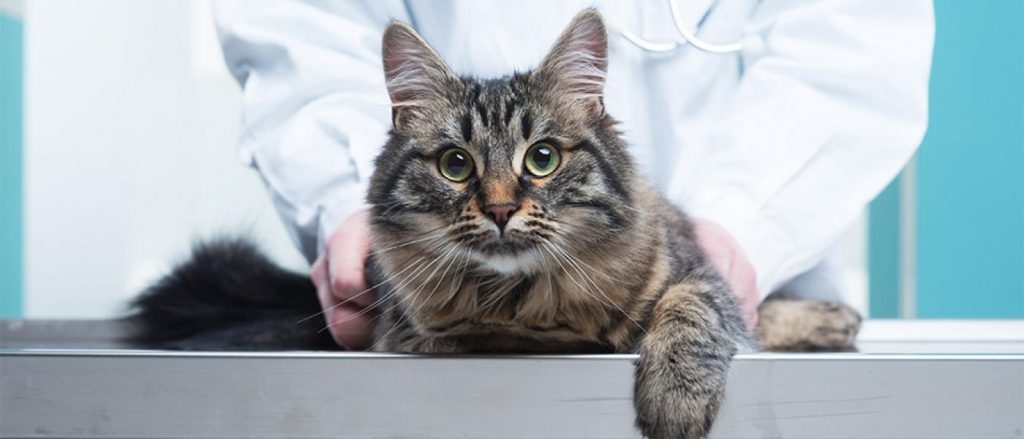
Cat at veterinarian

Cancer is the most common cause of death for our pets. While a good diet and a healthy lifestyle can help prevent all types of illness, it’s best to closely monitor your pet’s health in order to pick up on early warning signs of disease.

Diagnosing pet cancer requires a thorough veterinarian and medical testing, however, the following symptoms indicate that your pet may not be feeling well, and may indicate something more serious.

Here are 5 Signs of Illness in Your Pet (Sometimes Cancer-Related):

1—Lumps – As pets age, they will sometimes develop non-cancerous skin growths and other lumps and bumps. While many times these growths end up being benign, they can sometimes be a sign of lymphoma or a skin cancer. A trip to the vet will ease your concern, as your vet will run a needle biopsy or another test if she suspects an illness.

2—Unexplained weight loss – If your pet is losing weight, but his or her diet and exercise patterns haven’t changed, you may want to take your pet in for a check-up. Your vet may want to rule out cancer and will help you get to the bottom of the unexplained change in weight.

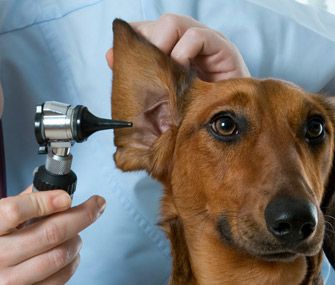
3—Unusual odors – If your pet has unpleasant odors coming from his or her mouth, ears or anal glands, this could be a sign of cancer in those areas. While these symptoms could also indicate an infection, your veterinarian will examine the areas in question and make recommendations for next steps.

Pet Ear Exam

4—Change in bathroom habits—Difficulty going to the bathroom, an increase in bathroom frequency or “forgetting” the approved bathroom locations can be signs that your pet is ill. Keep in mind that a move or other stressful life change can also affect bathroom habits, however it’s best to discuss the issue with your vet.

5—Lethargy – If your pet is no longer excited to go for walks or rides in the car, or is sleeping more often than usual,  it’s time for a trip to the vet. Any illness is likely to leave your pet feeling less than stellar, so while it may not be cancer-related, you won’t know until you go in for a visit.

lethargic cat

Remember, just like with humans, diet, exercise and a healthy lifestyle play a role in disease prevention. You have the best chance of catching an illness early and resolving it if you pay attention to changes in your pet’s behavior and take him or her to the veterinarian regularly. Early detection can make all the difference.

How to Pet Proof Your Living Room for a New Puppy or Kitten

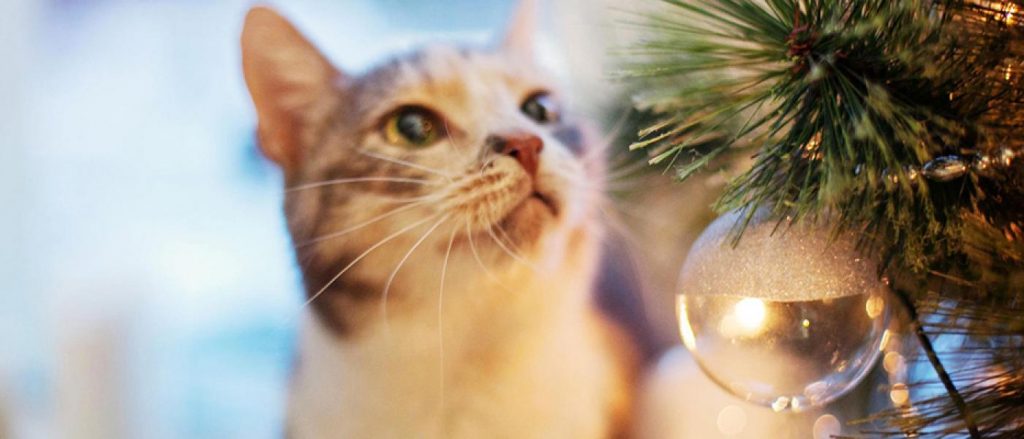
Cat looking at holiday tree

It’s fun to bring home a new puppy or kitten. You can cuddle them, introduce them to family members, post pictures on Facebook and spoil them silly!

What’s not fun is when they chew something they shouldn’t—remote controls, shoes and  window blinds come to mind. Puppies and kittens are naturally curious. They’ll explore the nooks and crannies that even your vacuum may not have seen lately, and they’ll learn about new things by putting them in their mouths.

So, how do you pet proof your home? Each room will require a slightly different strategy and in this post we’ll focus on your living room. It’s a good idea to take some time before your new furry family member arrives and give your home a critical eye.

5 Steps to Pet Proofing Your Living Room

1) Pick up shoes and stow them in a closet or bin. Puppies are notorious chewers, but kittens may find shoelaces irresistible too. Plus, without house training, they may find shoes to be excellent places to “mark” their territory. Yuck!

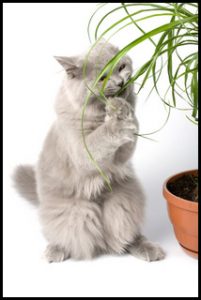
cat eating plant2) Remove breakables. It only takes a swish of a tail or a bat of a paw to knock your porcelain or other fragile knick-knacks off tables or mantles. Not only will you be left with shards of glass to clean up, but Mimi could step on them and get cut.
3) Pick up children’s toys. To prevent pets from potentially choking on smaller pieces, store action figures and building toys in a box with a lid when playtime is over.

4) Identify and research your houseplants. Many common plants and flowers are poisonous to pups and kittens so they could get sick from gnawing on the petals or leaves. You may want to swap any questionable plants for safe ones, or store certain plants in a room with a closed door.

5) Give your new furry friend a soft cushion or pet bed in your living room. Your pets want to be with you and they’ll appreciate a cozy place nearby to call their own. What pet proofing tips have you’ve gained from experience? Do you have a photo of your pet lounging in his or new digs? Share them on our Facebook page!

How to Get Your Dog Certified As A Therapy Dog

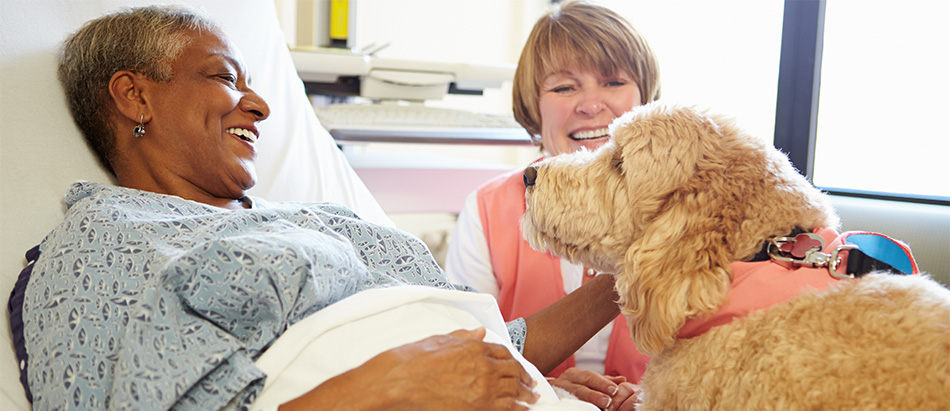
Therapy dogs provide an important and rewarding job for both the dog and the owner. If you are interested in your pet becoming a certified therapy dog you first need to make sure your dog is best suited for this type of work. Therapy dogs should be well trained and friendly. The dog should not be frightened of strangers or new situations and should enjoy going out and visiting new and unfamiliar places.

For certification, your dog will need to be in good health and up to date in all vaccinations. You should receive a health certificate from your veterinarian. Of course, make sure that your dog is well trained. Good therapy dogs need to be able to sit, lie down and stay on command and to walk on a leash without pulling.

If your dog’s health and temperament fit those of a therapy dog the next step is to get him certified. Most therapy groups require that your dog pass the American Kennel Club’s Canine Good Citizen (CGC) test. To find a testing site and evaluator visit http://www.akc.org/events/cgc/cgc_bystate.cfm
The CGC test consists of the following 10 items that your dog must pass:

* Accepting a friendly stranger
* Sitting politely for petting
* Appearance and grooming
* Walking on a loose lead
* Walking through a crowd
* Sit and stay commands
* Coming when called
* Reaction to another dog
* Reaction to distraction
* Supervised separation from owner

Depending on the therapy organization that you are seeking certification from, there may be additional requirements beyond the CGC test. Check with the individual organization for their specific requirements.

About This Page

Date:

10/01/2010

    Be the best pet parent you can be. Join for expert advice.

    Sign Up